A Complete Guide to Wash Pressure Your Home: Timing Matters


Maintaining the outside of your house is important for not only visual appeal and durability, and one of the most effective ways to do so is through pressure washing. For homeowners in Montreal, knowing how often to schedule this service can be key in preserving the beauty of your property while safeguarding it against the weather. With the transitioning seasons and varying weather conditions, grime, mold, and mildew can grow over time, resulting in potential damage if left unchecked.
So, how often should you pressure wash your house? The answer varies, as it is influenced by various factors such as your property's location, the type of outdoor surfaces, and your own preferences. In this guide, we will discuss the suggested frequency for pressure washing various parts of your home, assisting you create a schedule that keeps your property looking its best throughout the year.
Benefits of High-Pressure Cleaning
Pressure washing provides an efficient way to keep up the exterior of your home. Over time, soil, grime, mildew, and fungi can build up on surfaces, which not only impacts the aesthetic appeal but can also cause long-term damage. By consistently power washing your home, you can halt the collection of these harmful substances, making sure that your property always seems its best.
Another major advantage of power washing is its ability to enhance curb appeal. A clean exterior can make a big difference when it comes to the overall impression your home makes on potential buyers or potential buyers. In a challenging housing market, a neatly maintained exterior can dramatically affect property value and draw in buyers, making it a smart investment for homeowners looking to sell.
Additionally, power washing is an environmentally friendly cleaning option. Unlike traditional cleaning methods that may rely on harmful chemicals, pressure washing utilizes powerful water to eliminate contaminants. This method not only cleans effectively but also reduces the use of cleaning agents, making it a better choice for your family and the environment. Frequent high-pressure cleaning can contribute to the durability of your home's materials, further safeguarding your investment.
Best Moments to Wash with Pressure
Power washing is most efficient during certain times of the calendar year. Generally, the spring months and early fall are thought to be the best seasons to clean with pressure your house. During these times, the climate are mild and dry, allowing for easier for the surface to dry quickly after cleaning. This enables efficient cleaning without the threat of mildew or mold returning too soon due to moisture.
Another important factor to take into account is the weather. Avoid power washing on extremely high days or during rainfall. Hot weather can cause the cleaning agents to evaporate too quickly, leading to streaks and ineffective cleaning. On the other hand, washing during precipitation can prevent the exterior from drying and may wash away the detergents before they have a chance to work effectively.
Finally, take into account the specific needs of your property. If you live in an environment with heavy amounts of pollen or dust particles, you might want to wash on a more regular basis in the spring. Conversely, homes in coastal regions may require additional attention after the hurricane season, with power washing helping to remove salt and debris can cause damage. Tailoring your cleaning schedule to your home's environment is key to keeping it looking its best.
Choosing the Right Equipment
Selecting the right equipment for pressure washing your house is crucial to achieving the best results. A reliable pressure washer is essential. For typical home tasks, a pressure washer with a PSI (pounds per square inch) range of 1200 to 3000 is suitable for cleaning exteriors, paths, and patios. Electric models are best for lighter jobs, while gas-powered washers deliver greater power for hard stains and bigger areas. Keep in mind the surface material of your house, as various surfaces might require varying pressure levels to avoid damage.
In addition to the pressure washer, the proper nozzles and attachments are crucial. My House Experts come in different colors to indicate their types of spray and pressure levels. For delicate surfaces like wood, using a gentle nozzle ensures that you do not etch or damage the material. A turbo nozzle is great for stubborn stains on concrete or brick, providing a faster cleaning action. Having a range of nozzles allows you to adapt to different cleaning tasks around your house.
Finally, don't overlook safety equipment. Proper safety gear, including goggles, gloves, and sturdy footwear, is essential to protect against debris and the high-pressure water. Additionally, having extension wands can help you reach higher areas without the need for ladders, enhancing both safety and efficiency during the washing process. Acquiring the proper equipment not only makes the job easier but also ensures a comprehensive and safe cleaning experience for your home.
Employing a Professional vs. Do-It-Yourself
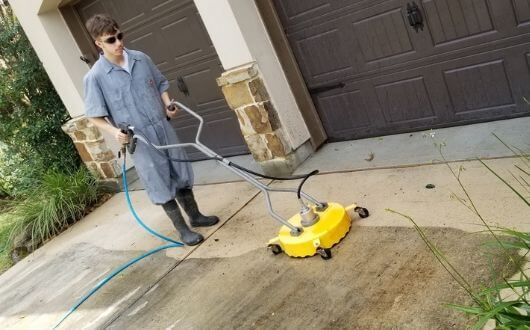
Deciding between hiring a specialist or taking the DIY approach for pressure washing your home is essential. Experts often have access to industrial-grade equipment and know the best methods for different surfaces, ensuring a complete and safe cleaning. They can quickly identify issues like mold or mildew that you might miss, providing extra value to their work. Moreover, they are skilled to handle the job effectively, saving you time and potential mishaps that could arise from untrained handling.
On the flip hand, opting for a DIY method can be affordable and rewarding. If you own a power washer or can lease one, you have the flexibility to wash your property at your leisure. This can be an excellent choice for homeowners who like tackling renovation projects and desire to maintain control over the process. However, it’s essential to do your research and know how to use the tools correctly to avoid damaging your property’s areas or injuring yourself.
In the end, the choice between hiring a professional or doing it yourself depends on your budget, skill level, and the specific needs of your home. If your place is large or has substantial buildup of grime and filth, it may be worth the investment to employ a specialist. On the flip side, for minor cleanings and smaller homes, a DIY approach could be sufficient. If you live in Montreal, be sure to consider the climatic conditions and how often it adds to the buildup of filth and mold, as that can affect your decision.